Why do people gamble Exploring the psychology behind casino behaviors
The Allure of Risk and Reward
The thrill of gambling often lies in the allure of risk and reward. Many individuals find themselves attracted to the potential for significant financial gain with just a small initial investment. This psychological phenomenon is deeply rooted in human behavior, as people are naturally drawn to risk-taking situations, especially when there is a chance of winning big. The excitement of placing a bet can trigger a rush of adrenaline that enhances the overall experience, making the activity more appealing. In this context, some seek out a non gamstop casino to explore their options further.
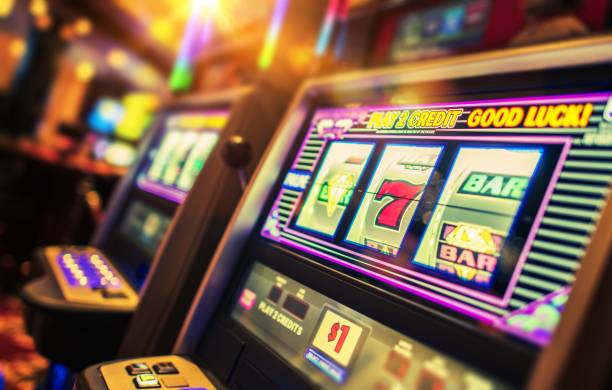
Addiction to this thrill can further complicate the motivations behind gambling. For some, the chase of a jackpot can create a cycle of behavior that is difficult to break. This desire for immediate gratification can overshadow the risks involved, leading individuals to gamble more than they initially intended. Understanding this psychological aspect is crucial for both gamblers and those who care about them.
The Social Aspect of Gambling
Gambling is often viewed as a social activity, a way to bond with friends or meet new people. Casinos and gambling establishments provide environments where people can gather, share experiences, and enjoy a sense of community. This social dimension can make gambling more appealing, as it combines the thrill of risk with the enjoyment of social interactions.
Moreover, peer influence plays a significant role in shaping gambling behaviors. Individuals may feel compelled to participate in gambling activities simply because their friends or family are involved. This dynamic can lead to a normalization of gambling, where individuals may not fully recognize the potential risks or downsides of their actions.
Escapism and Emotional Relief
For many, gambling serves as an escape from the stresses of everyday life. Engaging in gambling activities can provide a temporary reprieve from problems, as it shifts focus away from personal issues and onto the thrill of the game. This form of escapism can be particularly appealing during times of emotional turmoil or uncertainty.
However, relying on gambling for emotional relief can lead to unhealthy patterns. What begins as a fun distraction can develop into a coping mechanism that exacerbates existing issues. Understanding the psychological need for escapism can shed light on why some individuals may develop problematic gambling habits over time.
The Role of Cognitive Biases
Cognitive biases significantly influence gambling behaviors. Many gamblers fall prey to the illusion of control, believing they can influence outcomes in games of chance. This misconception often leads individuals to engage in riskier bets, convinced that their choices will lead to favorable results. Such biases can distort reality, making it challenging for gamblers to understand their actual odds of winning.
Additionally, the gambler’s fallacy—a belief that past outcomes will influence future results—can perpetuate gambling behaviors. This cognitive distortion can make individuals persist in gambling even after experiencing significant losses, as they hope for a reversal of fortune. Recognizing these biases is essential for anyone involved in gambling, as it can help in making more informed decisions.

Understanding Online Gambling Behavior
The rise of online gambling has transformed traditional casino behaviors. Online platforms offer convenience and accessibility, attracting a new wave of gamblers who may not have engaged in brick-and-mortar casinos. This shift has raised new psychological considerations, such as the anonymity that online gambling provides, which can lead to increased risk-taking behaviors.
Furthermore, understanding online gambling behavior requires an awareness of the specific temptations and challenges that digital platforms present. The ease of access can blur the lines between casual play and compulsive gambling. As technology continues to evolve, it’s essential to explore the psychological effects of online gambling, ensuring that individuals are equipped with the knowledge to engage responsibly.